


 Quantum Quill Media (Official Site)
 Astrabionics (Official Site)
 Awards
Real Estate Tokenization: Unlocking the Future of Digital Property Ownership
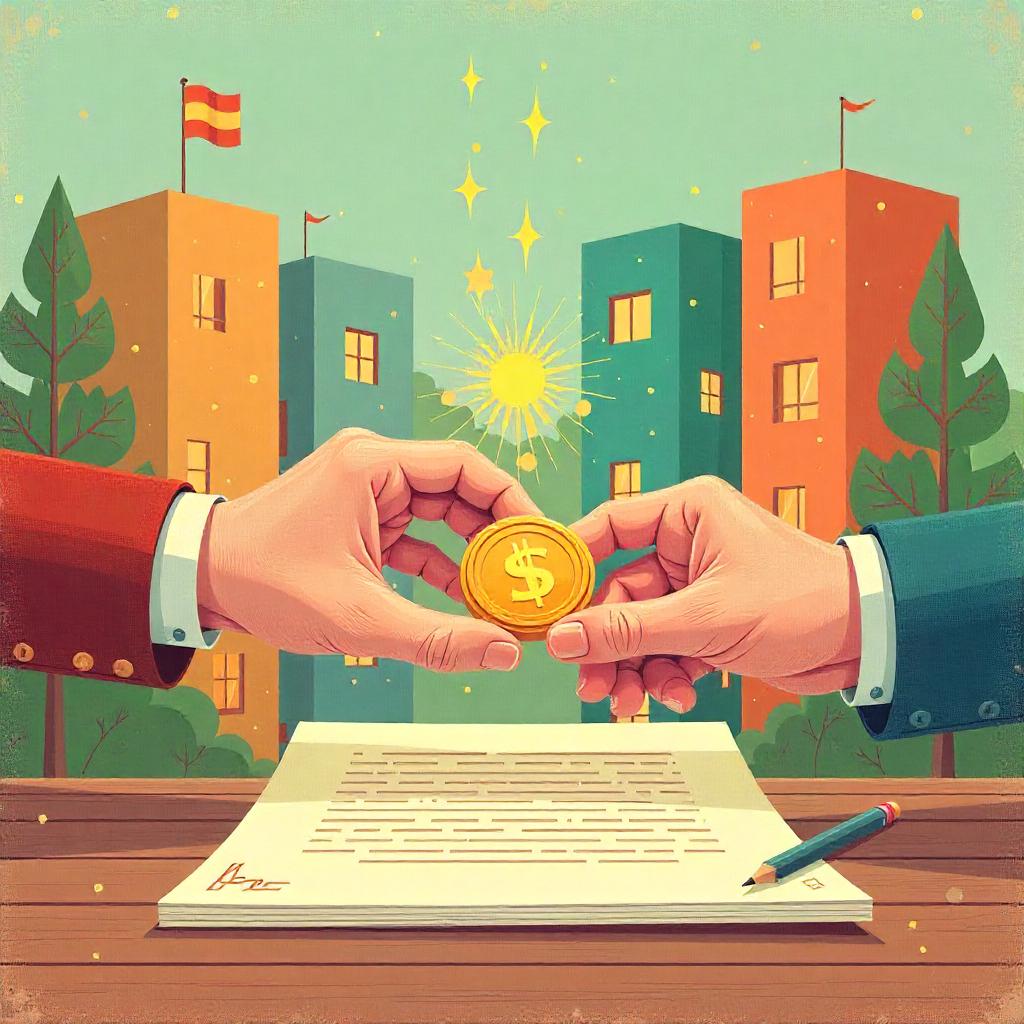
Real estate has long been one of the most stable and profitable investment options in the world. Yet, it remains inaccessible to many due to high entry barriers, slow processes, and limited liquidity. Today, a groundbreaking innovation Real Estate Tokenization is eliminating these limitations and transforming how people buy, sell, and invest in property.
Powered by blockchain technology, tokenization is redefining property ownership by converting real-world assets into digital tokens that can be traded instantly and securely. As global interest in digital assets grows, tokenizing real estate is becoming a preferred model for investors, developers, and enterprises seeking efficiency, transparency, and flexibility.
What Is Real Estate Tokenization?
Real estate tokenization is the process of converting ownership or economic rights of a real estate asset into digital tokens on a blockchain. Each token acts as a digital share of the property and gives investors fractional ownership.
This model eliminates the need to purchase entire properties and enables global investors to participate in high-value real estate markets with significantly lower capital.
Tokenized real estate operates similarly to trading stocks in a company but is backed by physical property, making it both innovative and stable.
How Tokenization Works
A professional Real Estate Tokenization Company typically manages the process using structured Real Estate Tokenization Services and integrated Real Estate Tokenization Solutions. The tokenization workflow includes:
1. Legal Structuring
A property is placed in a Special Purpose Vehicle (SPV) or trust, ensuring investor rights and regulatory compliance.
2. Property Valuation
Experts evaluate the asset and determine the number of tokens to be created and their price.
3. Token Creation
Digital tokens representing ownership shares are generated on a blockchain. These can represent:
-
Equity in the property
-
Rental income rights
-
Profit-sharing claims
4. Investor Compliance
Investors complete KYC/AML verification to meet securities regulations.
5. Token Sale
Tokens are made available through:
-
Private offerings
-
Security Token Offerings (STOs)
-
Tokenized investment platforms
6. Secondary Market Trading
Once issued, tokens can be traded on licensed exchanges, offering improved liquidity for investors.
Why Real Estate Tokenization Is Gaining Global Momentum
1. Fractional Ownership
Traditional real estate requires substantial capital, often restricting access. Tokenization allows investors to buy small shares of premium properties, making real estate investment more inclusive.
2. High Liquidity
Buying and selling real estate usually takes months. Tokenization enables near-instant trading on digital marketplaces, making previously illiquid assets liquid.
3. Global Access to Investment
Blockchain removes geographical boundaries. Anyone from anywhere can invest in properties across the world without intermediaries.
4. Transparent and Tamper-Proof Transactions
Blockchain ensures:
-
Immutable records
-
Clear ownership trails
-
Automated smart contract execution
This creates a trustworthy, fraud-resistant ecosystem.
5. Lower Transaction Costs
Tokenization reduces:
-
Paperwork
-
Middlemen fees
-
Administrative costs
This makes real estate investment faster, cheaper, and more efficient.
Types of Properties That Can Be Tokenized
Real estate tokenization spans a wide range of property categories:
Residential Real Estate
Apartments, villas, and rental homes are popular for their consistent income potential.
Commercial Real Estate
Office buildings, malls, industrial warehouses, and co-working spaces offer higher returns and are attractive to institutional investors.
Hotels and Hospitality Assets
Tokenization makes it easier to invest in high-performing hotels, resorts, and vacation rentals.
Land and Development Projects
Developers tokenize land parcels and upcoming construction projects to raise capital with ease.
Benefits for Investors
1. Affordable Investment
Tokenization drastically reduces entry barriers, allowing everyday investors to participate in premium real estate opportunities.
2. Portfolio Diversification
Investors can distribute funds across multiple properties, reducing risk and maximizing returns.
3. Automated Income Distribution
Smart contracts ensure seamless distribution of rental income, dividends, or profit shares.
4. 24/7 Trading Flexibility
Tokens can be bought or sold on regulated exchanges anytime, providing continuous liquidity.
5. Transparent Returns
Blockchain records provide clear visibility into property performance and investor payouts.
Benefits for Property Developers and Owners
1. Faster Fundraising
Tokenization enables developers to raise capital quickly from a global pool of investors.
2. Improved Asset Liquidity
Property owners can unlock liquidity without selling the property outright.
3. Reduced Dependence on Banks
Token sales provide alternative financing options, reducing reliance on traditional loans.
4. Efficient Investor Management
Smart contracts automate processes such as voting, payouts, and compliance tracking.
5. Increased Market Reach
Global investors can access tokenized offerings instantly, increasing demand and project visibility.
Challenges to Overcome
Despite its advantages, tokenization has challenges that need careful consideration.
1. Regulatory Uncertainty
Different countries classify tokenized assets differently. A compliant Real Estate Tokenization Company is crucial to navigating legal frameworks.
2. Technical Complexity
Blockchain implementation requires robust security, experienced developers, and reliable platforms.
3. Market Education
Investors must understand blockchain and security tokens to trust the process fully.
4. Custody and Asset Management
Secure token storage and property management remain essential for long-term success.
Future Outlook of Real Estate Tokenization
The future of tokenized real estate is extremely promising. Analysts predict that a significant portion of global real estate transactions will occur on blockchain within the next decade. Key trends include:
-
Government-backed tokenized land registries
-
AI-driven property valuation and management
-
Cross-border digital property exchanges
-
Tokenized REITs and digital asset portfolios
-
Widespread adoption of compliant security token frameworks
As blockchain technology matures and regulatory clarity improves, tokenization will become a mainstream investment model.
Conclusion
Real estate tokenization represents a powerful shift in how the world interacts with property. By combining blockchain technology with traditional real estate structures, tokenization introduces efficiency, accessibility, transparency, and liquidity capabilities that the current system struggles to offer.
Whether you're an investor looking to diversify, a property owner seeking liquidity, or a developer exploring modern fundraising alternatives, tokenization provides a smarter path to unlocking real estate’s true potential.
 Italiano
 English
 Arabic
 French
 Spanish
 Portuguese
 Deutsch
 Turkish
 Dutch
Dutch
 Russian
 Romaian
 Portuguese (Brazil)
 Greek
Greek