


 Quantum Quill Media (Official Site)
 Astrabionics (Official Site)
 Awards
How Food Brands Use Pouches to Build Strong Market Presence?
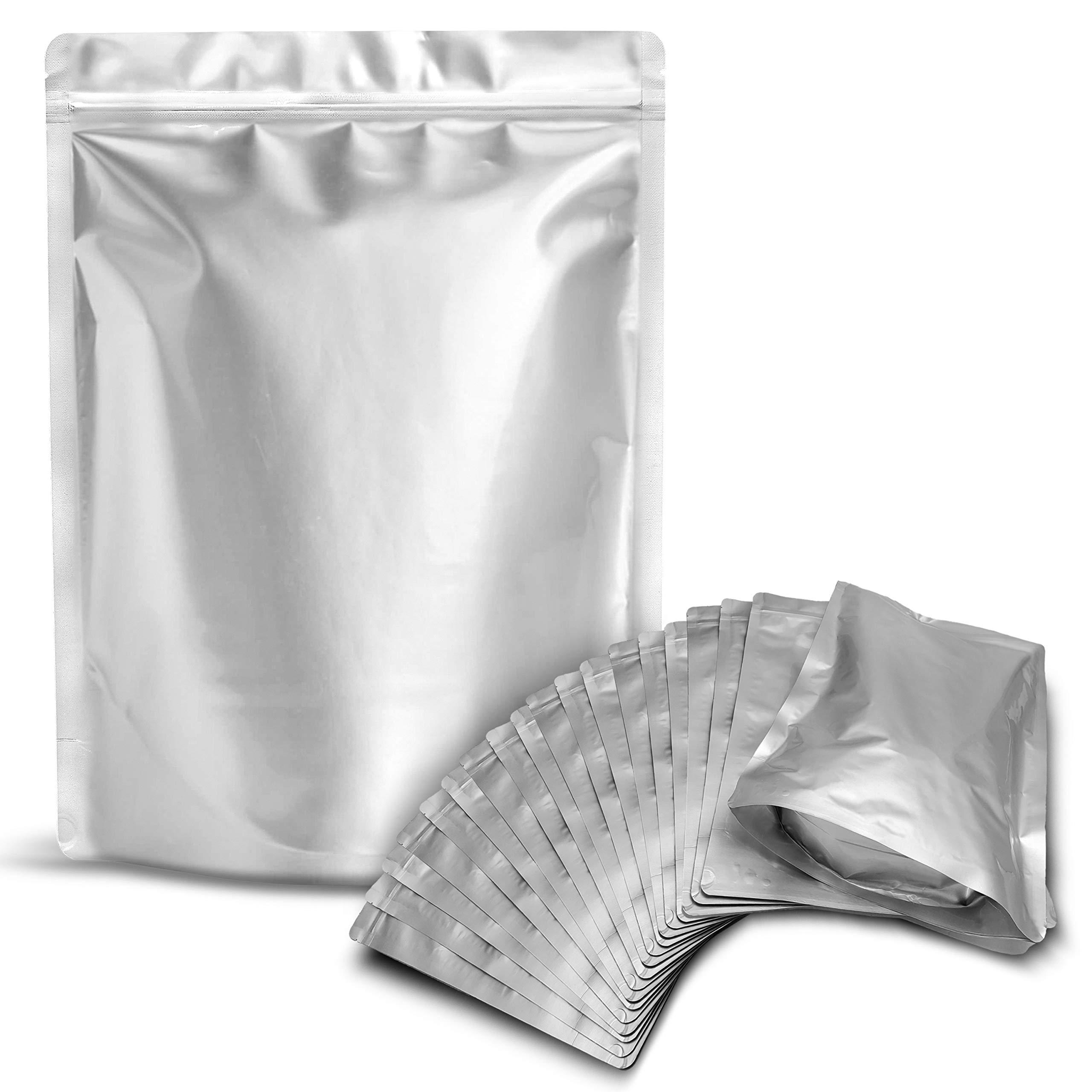
Food brands search for ways to reach buyers and make their products stand out. Over the years, pouches gained wide use for food items of many types. From snacks to sauces and coffee to frozen goods, pouches now hold a strong place.
Pouches also give brands a stage for design freedom. They can test shapes, prints, and seals to show brand ideas. A pouch with a clear or matte surface helps buyers see content or trust product care.
Brands also move toward recyclable custom mylar bags for waste control. Such actions grow user trust and link brands with awareness. Through such change, food makers build names and repeat purchases.
How Does Packaging Design Affect Buyer Perception?
Packaging makes the first contact between the product and the buyer. A pouch works not only as a cover but as a silent message. Brands know design shapes buyer thought even before taste or smell.
Design also carries meaning through images and patterns. Fonts or colors tell a brand story. Simple layout signals focus or honesty, while bright shades show energy. Each mark shares a small piece of brand vision.
Many brands add small windows on pouches to show content. Such openness builds direct bonds with buyers. When packaging looks honest, users connect faster. This sense of connection leads to brand memory and return purchase.
What Role Does Material Choice Play in Brand Image?
Material used in pouches affects how the public views a brand. Weak film can harm trust, while a solid barrier gives a sense of care. Brands pick layers that keep air and water away from food. That choice protects flavor, smell, and look.
Coffee makers may choose a metal layer to hold aroma. Snack producers may pick reseal pouches for repeated use. By managing barrier strength, brands protect content during long travel.
Many buyers favor pouches that break down or recycle. Brands that follow this path earn value for being mindful. That link grows with every use.
The touch of the pouch also matters. A smooth or rough surface adds a feel that shapes buyer opinion. Through such detail, a brand shows planning behind product care.
Why Are Mylar Pouches Popular Among Food Brands?
Among pouch types, custom bags have gained a place in many food firms. Mylar film blocks air, odor, and moisture. That makes it helpful for snacks, coffee, and dried goods.
Mylar also supports brand printing. From plain text to foil marks, all can be printed on the same pouch. That helps create a visual story that buyers recall.
Across the USA and beyond, custom kraft mylar packaging bags remain in wide use for cost, function, and clean form. Food firms gain space saving, shelf appeal, and product safety in a single wrap.
How Do Custom Options Help Brands Stand Out?
The market carries many similar food packs. To get seen, brands use bags for control over design and build. Custom shape, print, and seal help brands speak through products.
Custom options also add user-friendly parts like zippers or spouts. Buyers open, use, and close packs many times with no mess. That smooth process builds recall and preference.
Through custom design, brands make packaging a story piece. That story draws the user 's eye and helps the product rise above the shelf crowd. Each pouch then becomes a quiet sign of brand thought.
Can Storytelling Through Packaging Build Market Presence?
Every product carries a story—how it began, what values guide it, who stands behind it. Pouch gives brand space to show that story in print and color.
Color, logo, and line can speak the story too. The blue tone on the seafood pack points to freshness from the ocean. Brown shade on nut pouch signals closeness to land. Story told through pouch builds link stronger than plain text.
Buyers remember the story when they choose the next item. That recall creates loyalty and trust that grows each sale cycle.
How Do Startups Gain Through Custom Packaging?
For new firms, pouch often becomes the main way to reach the public. Many young brands lack big ad funds, so packaging plays a double role—cover and ad. Custom pouches give them power to look professional and win their first trial.
Small producers can still match big names by picking their own pouch size and print. A nut seller can use a stand pouch with a clear window and name on top. That mix signals openness and effort.
At Packlim, startups can find help for pouch design that fits brand goals. By planning the right size, seal, and art, they can shape a strong identity. Many small firms see fast brand notice once a custom pouch hits the shelf.
When packaging matches taste, the buyer repeats the order. Such a cycle turns small effort into steady growth. Custom design thus becomes a silent partner in brand progress.
What Future Awaits Food Pouch Packaging?
The future of pouches shows a shift toward smarter and cleaner methods. Brands now add codes or marks on packs that guide users to product details or safety checks. Such use grows trust and knowledge.
Sustainability leads to the next step. Firms turn to films that recycle or break down fast. Buyers value brands that reduce waste and keep focus on care.
Design style also changes with time. Clean layouts and open labels replace complex graphics. Clear words and soft color keep focus on truth and function. Buyers read and decide faster.
Conclusion
Food pouches changed how brands present and protect items. From shelf look to freshness, each factor supports trust between maker and buyer. Pouches act as protect and voices in one form.
Custom choices add a chance to grow the brand through design and function. Whether small or large, every food business gains when packaging speaks clearly.
 French
 English
 Arabic
 Spanish
 Portuguese
 Deutsch
 Turkish
 Dutch
Dutch
 Italiano
 Russian
 Romaian
 Portuguese (Brazil)
 Greek
Greek