


 Quantum Quill Media (Official Site)
 Astrabionics (Official Site)
 Awards
Maintenance Tips for High Pressure Commercial Plunger Pumps
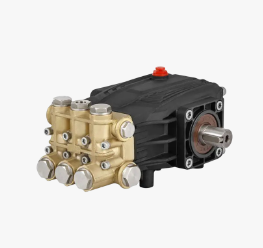
Keeping High Pressure Commercial Plunger Pumps running at peak performance starts with disciplined routine inspections. Every Monday morning, technicians should log oil level, belt tension, and manifold temperature for each unit of High Pressure Commercial Plunger Pumps in the plant. A simple checklist prevents 90 % of catastrophic failures because High Pressure Commercial Plunger Pumps rarely fail without first sending out subtle warning signs such as elevated crankcase temperature or minor pressure drops.
Oil is the lifeblood of High Pressure Commercial Plunger Pumps, and using the wrong viscosity is the fastest way to void a warranty. Most manufacturers of High Pressure Commercial Plunger Pumps recommend premium non-detergent ISO 68 oil changed every 500 hours under standard conditions, or every 250 hours in continuous high-temperature environments. When the sight glass on High Pressure Commercial Plunger Pumps turns milky, water intrusion has occurred; immediate oil change and seal inspection are mandatory to prevent bearing corrosion.
Seals and valves inside High Pressure Commercial Plunger Pumps are wear items, not lifetime components. A proactive rebuild schedule based on operating hours, not visible leaks, is the secret used by facilities that achieve 20,000-hour lifespans from their High Pressure Commercial Plunger Pumps. Stocking a seal kit and valve kit on site reduces downtime from days to hours when High Pressure Commercial Plunger Pumps eventually need service. Torque specifications provided in the manual must be followed exactly; overtightening valve caps on High Pressure Commercial Plunger Pumps warps seats and creates chronic pressure loss.
Inlet conditions are often overlooked yet critical to longevity. Cavitation is the silent killer of High Pressure Commercial Plunger Pumps, caused by inadequate water supply or clogged suction strainers. Install a ¾-inch minimum supply line for every 5 gpm of flow, and verify that inlet pressure stays above 20 psi at all times when High Pressure Commercial Plunger Pumps are running. A simple pressure gauge mounted at the pump inlet gives operators instant feedback and prevents expensive crankshaft damage.
Finally, freeze protection must be addressed for High Pressure Commercial Plunger Pumps used outdoors. Even in mild climates, a single overnight freeze can crack the manifold and destroy High Pressure Commercial Plunger Pumps. After each shift, operators should run food-grade antifreeze through the system until it exits the trigger gun, ensuring all internal passages are protected. Implementing these straightforward maintenance practices ensures that High Pressure Commercial Plunger Pumps deliver decades of reliable, high-performance service.
AI & Robotics Insights (QuantumSync)
Site Security
© 2025 QSync
 English
English
 Arabic
 French
 Spanish
 Portuguese
 Deutsch
 Turkish
 Dutch
Dutch
 Italiano
 Russian
 Romaian
 Portuguese (Brazil)
 Greek
Greek