


 Quantum Quill Media (Official Site)
 Astrabionics (Official Site)
 Awards
Cardboard Boxes: The Ultimate Guide to Packaging Solutions for Every Industry
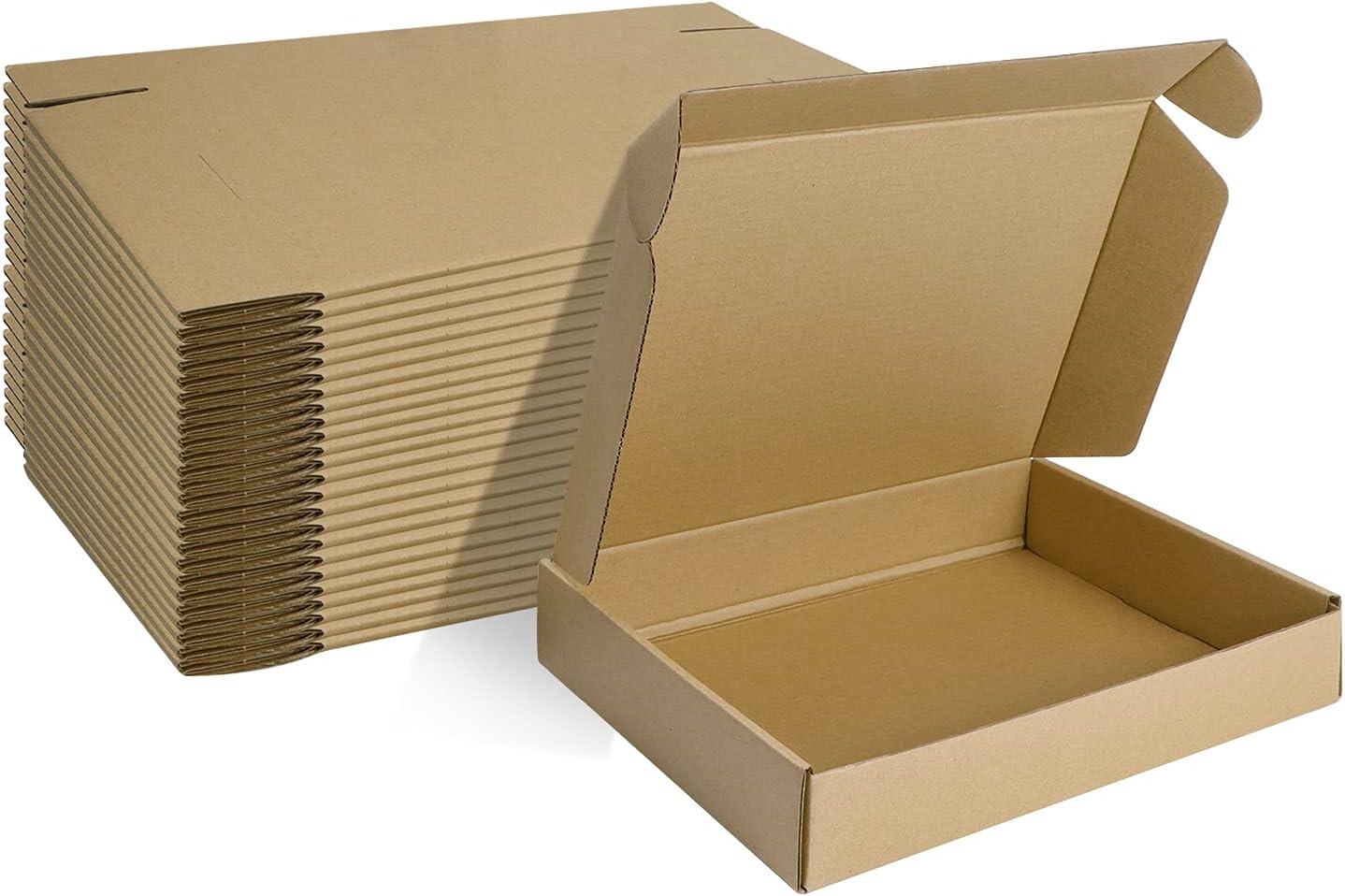
In the world of modern packaging, cardboard boxes have become the cornerstone of protection, branding, and sustainability. From eCommerce businesses to industrial manufacturers, the use of custom cardboard boxes has revolutionized how products are stored, shipped, and presented. As one of the most cost-effective and eco-friendly packaging solutions, these boxes play an essential role in maintaining both brand integrity and environmental responsibility.
What Are Cardboard Boxes?
Cardboard boxes are sturdy packaging containers made from corrugated fiberboard or paperboard, designed to protect products during shipping, storage, and handling. Cardboard boxes in bulk come in various shapes, sizes, and strengths, allowing for complete customization based on the needs of different industries. The main advantage of cardboard is its versatility; whether for lightweight retail goods or heavy-duty industrial items, there’s a type of cardboard suited for every purpose.
Types of Cardboard Boxes
Understanding the different types of cardboard packaging is crucial when selecting the best solution for your product.
1. Corrugated Cardboard Boxes
These are the most common types, made with three layers: an inside liner, an outside liner, and a corrugated medium. They provide excellent cushioning and strength, making them perfect for shipping fragile or heavy products. Corrugated boxes are widely used in eCommerce packaging, food delivery, and logistics.
2. Folding Cartons
Often seen in retail environments, folding cartons are made from paperboard and are ideal for packaging cosmetics, pharmaceuticals, and consumer goods. They are lightweight, printable, and customizable, making them excellent for brand promotion.
3. Rigid Cardboard Boxes
Rigid boxes are high-end packaging solutions known for their sturdiness and premium appearance. Commonly used for luxury products like electronics, jewelry, or cosmetics, these boxes enhance the unboxing experience and brand perception.
4. Die-Cut Boxes
Die-cut cardboard boxes are custom-shaped to fit specific products. Their precise design offers both protection and visual appeal, perfect for brands that want unique packaging shapes that stand out on shelves.
Benefits of Using Cardboard Boxes
1. Eco-Friendly and Sustainable
One of the primary advantages of cardboard packaging is its sustainability. Cardboard is biodegradable, recyclable, and often made from recycled materials. By using eco-friendly cardboard, businesses can reduce their carbon footprint while promoting a green image.
2. Cost-Effective Solution
Compared to other packaging materials like plastic or metal, cardboard boxes are inexpensive to produce and ship. Their lightweight nature reduces transportation costs while still offering robust protection.
3. Customizable for Branding
Modern printing technologies allow businesses to customize cardboard boxes with their logo, colors, and graphics. This turns simple packaging into a powerful marketing tool, increasing brand visibility and customer recall.
4. Protection and Durability
Cardboard is surprisingly durable. Corrugated boxes provide shock absorption, protecting products from impacts during shipping. Moisture-resistant coatings can also be added for added safety in humid environments.
5. Versatile Applications
Whether for retail packaging, industrial storage, or subscription boxes, cardboard can be shaped, printed, and designed for almost any application. Its adaptability makes it one of the most widely used packaging materials worldwide.
Applications of Cardboard Boxes Across Industries
1. E-Commerce and Retail
The growth of online shopping has fueled demand for eCommerce cardboard boxes. They protect items during transit while serving as a branding opportunity through custom printing. Many companies now use branded mailer boxes and subscription boxes to enhance customer engagement.
2. Food and Beverage Industry
Cardboard packaging is widely used for food delivery, bakery packaging, and beverage containers. Its food-safe coatings and printable surfaces make it ideal for products like pizza boxes, cereal packaging, and takeaway containers.
3. Electronics and Appliances
Fragile electronics require sturdy protection. Corrugated cardboard boxes with inserts and dividers are commonly used to safeguard gadgets, ensuring they reach consumers intact and damage-free.
4. Pharmaceutical and Cosmetic Products
Folding cartons are popular in the cosmetic and pharmaceutical sectors due to their ability to hold smaller items securely while displaying detailed product information and branding.
5. Industrial and Bulk Packaging
Heavy-duty corrugated boxes are essential in the industrial sector for shipping machinery parts, automotive components, and bulk goods. Their multi-layered strength ensures reliable protection for large shipments.
Custom Cardboard Boxes for Brand Enhancement
Custom cardboard boxes are not just containers; they are an extension of a brand’s identity. Customization options include:
-
Custom printing: Add logos, slogans, and artwork.
-
Unique shapes and sizes: Fit the product perfectly to minimize waste.
-
Lamination and coatings: Glossy, matte, or UV coatings enhance visual appeal.
-
Window cutouts: Allow customers to preview the product.
By investing in custom printed cardboard boxes, businesses can elevate their presentation while improving customer satisfaction.
Sustainability and Recycling in Cardboard Packaging
Today’s consumers are more eco-conscious than ever. Choosing sustainable cardboard packaging demonstrates corporate responsibility. Most cardboard boxes are made from recycled paper fibers, and they can be recycled multiple times without losing structural integrity. To maximize sustainability:
-
Use water-based inks for printing.
-
Avoid excessive coatings or laminates that hinder recycling.
-
Encourage customers to reuse or recycle packaging.
This not only reduces environmental impact but also builds a positive brand image among eco-friendly consumers.
How to Choose the Right Cardboard Box
When selecting the ideal cardboard box, consider the following factors:
-
Product Weight and Fragility: Heavier or fragile items need double or triple-wall corrugated boxes.
-
Box Size: Ensure it fits the product snugly to reduce movement.
-
Shipping Method: Choose stronger boxes for long-distance or international shipping.
-
Branding Requirements: Opt for printable surfaces for promotional purposes.
-
Environmental Concerns: Choose recyclable or compostable materials for sustainability.
By analyzing these aspects, businesses can find the perfect balance between functionality, protection, and cost-efficiency.
Future Trends in Cardboard Packaging
The packaging industry, like product packaging solutions continues to evolve with innovation and sustainability at its core. Emerging trends include:
-
Smart packaging with QR codes for interactive experiences.
-
Minimalist designs emphasizing simplicity and recyclability.
-
Reusable cardboard boxes designed for multiple shipments.
-
Biodegradable coatings to replace plastic layers.
As global focus shifts toward green solutions, cardboard boxes will remain the top choice for businesses prioritizing both performance and environmental stewardship.
Conclusion
In an era defined by sustainability, efficiency, and branding, cardboard boxes stand out as the perfect packaging solution for nearly every industry. Their durability, affordability, and customization potential make them indispensable in modern commerce. Whether for shipping, storage, or display, cardboard boxes continue to evolve as a vital tool in protecting products and promoting brands.
 English
 Arabic
 French
 Spanish
 Portuguese
 Deutsch
 Turkish
 Dutch
Dutch
 Italiano
 Russian
 Romaian
 Portuguese (Brazil)
 Greek
Greek