


 Quantum Quill Media (Official Site)
 Astrabionics (Official Site)
 Awards
How Does a Tile Vibrating Paver Improve Tiling Efficiency?
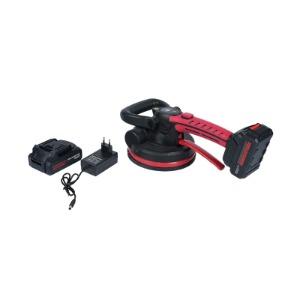
A Tile Vibrating Paver has become an important tool for contractors, builders, and homeowners looking for a smoother and more efficient tiling experience. As construction projects demand better surface consistency and reduced installation time, the Tile Vibrating Paver provides practical support by helping tiles settle firmly and evenly. Instead of manually pressing tiles into place, users can rely on vibration technology to achieve a more stable installation while reducing manual effort.
The primary function of a Tile Vibrating Paver is to help tiles adhere better to adhesive or mortar. When tiles are placed manually, small air pockets or uneven pressure can cause hollow spots, misalignment, or weak bonding. A Tile Vibrating Paver applies steady vibration across the tile surface, encouraging the adhesive to spread uniformly. This process helps the tile sit securely, reducing future problems such as cracking or uneven surfaces.
Contractors appreciate the consistency that a Tile Vibrating Paver provides. With manual placement, pressure can vary depending on the user's strength or experience. In contrast, a Tile Vibrating Paver delivers a balanced vibration force, helping each tile receive similar treatment. This creates a more uniform surface, especially when working with large-format tiles that require stable and even support. The tool is particularly beneficial for porcelain and stone tiles, which are heavier and more difficult to press evenly by hand.
Another advantage of using a Tile Vibrating Paver is increased efficiency on the job site. Large projects, such as commercial flooring or spacious living areas, often require long hours of repetitive work. The vibration tool reduces physical strain on workers and speeds up the installation process. By incorporating a Tile Vibrating Paver into their workflow, professionals can maintain consistent quality while completing tasks more quickly. This helps improve overall productivity without compromising workmanship.
In addition to professional use, homeowners completing DIY renovation projects also find value in a Tile Vibrating Paver. Tiling can be a challenging task for beginners, especially when working with large and heavy tiles. The tool provides extra support by ensuring the tile settles firmly into place without the user applying excessive force. For DIY enthusiasts, this reduces installation errors and makes the process more approachable.
A Tile Vibrating Paver is typically designed with ergonomic features to improve comfort during use. Many models include rubberized handles, adjustable vibration levels, and lightweight construction, making it easier to operate for long periods. These design elements help reduce fatigue and allow users to control the vibration more precisely, depending on the thickness or material of the tile being installed.
Maintenance is also an important part of owning a Tile Vibrating Paver. Keeping the tool clean after each use prevents mortar or dust buildup from affecting performance. Users should also check the vibration pad, power cable, or battery condition to ensure safe and efficient operation. Regular care helps extend the service life of the tool and ensures consistent results during future projects.
As construction methods continue to evolve, the Tile Vibrating Paver remains a practical addition to tile installation equipment. It supports better bonding, improves surface smoothness, reduces manual workload, and enhances overall efficiency. Whether used by a contractor or a homeowner, the Tile Vibrating Paver brings greater confidence and convenience to the tiling process.
https://www.falanstools.com/product/ceramic-tile-vibration-tiler/
 Deutsch
 English
 Arabic
 French
 Spanish
 Portuguese
 Turkish
 Dutch
Dutch
 Italiano
 Russian
 Romaian
 Portuguese (Brazil)
 Greek
Greek